
Inigo.Mind
Neuro-Motor-EngineRewiring motor control through play
We build games that reward children for controlling their own movement. Each session turns the brain's ability to rewire itself into a skill a child can practice, measured in real time and guided by clinicians.
Our first product, XTICS, helps children with tic disorders. It was tested in a published, controlled trial at Tel Aviv Sourasky Medical Center (Ichilov), where it is now used with patients.
The problem
Medication no one wants.
Therapy no one can reach.
Tics are sudden, repetitive movements or sounds. For many children they bring bullying, isolation and real psychological harm. The first-line treatment works, but almost no one can get it.
US children live with a persistent (chronic) tic disorder.
certified CBIT therapists serve the entire US. Families wait 9–12 months for a first session.
of children drop out of in-clinic behavioral therapy before finishing. Practice between sessions goes unmeasured.
Behavioral therapy (CBIT)
- Eight one-hour sessions with a rare specialist
- $1,200–3,500 per course, with patchy US coverage
- Harder to deliver to the 63% of children who also have ADHD
Medication
- Only repurposed drugs are approved for tics
- Antipsychotics work but bring weight gain, stiffness and Parkinson-like side effects
- Alpha-2 agonists are gentler and less effective
Prevalence: US CDC, Tourette Syndrome Data & Statistics. Therapist and access figures: Inigo.Mind market research.
The engine
A reward loop that trains the brain
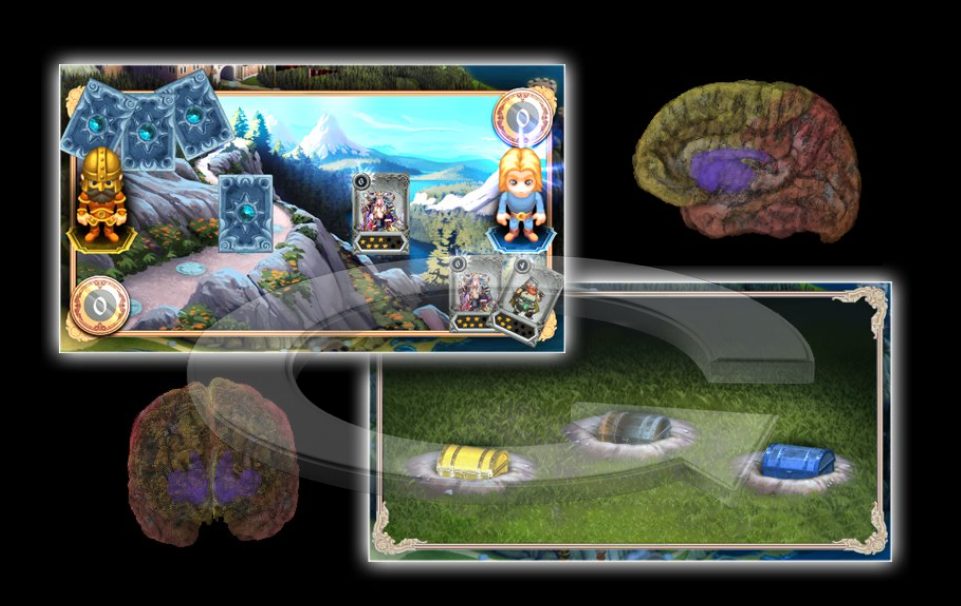
The game watches for the movement a child is learning to control and rewards them the moment they succeed. Repeated across short, fun sessions, that loop builds new motor-control habits.
Detect
Computer vision through a standard camera spots and counts each child's individual tic patterns, so no one has to code them by hand.
Personalize
Rewards and difficulty adapt to the child's tic profile, progress, age and engagement, which keeps them challenged and coming back.
Measure & learn
Clinicians and parents see tics, progress and adherence session by session. Every session makes the next one smarter.
The brain's physical ability to rewire itself by forming new connections.
Shaping nerve activity through immediate, contingent reward to drive that rewiring.
The evidence
Published, controlled, already treating patients
XTICS was tested in a randomized crossover trial of 35 children aged 7–15 at Tel Aviv Sourasky Medical Center, with tic severity scored by blinded clinicians.
adherence. Every child completed every session.
reduction on the clinical YGTSS scale after just six sessions.
reduction in tic severity reported by parents (PTQ) after three months.
increase in the time between tics within 11 game sessions.
The reward is the mechanism. When the game stopped rewarding suppression, the effect was significantly smaller. That points to the engine itself, not to the children simply getting used to the setting.
First product
XTICS turns tic suppression into a game kids want to win
An adventure world children play on a tablet or computer, in the clinic or at home. Behind the cards and castles, every move forward is earned by practicing tic control.
- Ages 5–12, short sessions, no adult needed during play
- Camera-based tic recognition, no extra hardware at home
- Progress dashboard for clinicians and parents

It's been almost a month with no tics at all! This comes after 6 years of tics without a break.
She learned how to cope and redirect them so that externally they are not visible at all. Mentally, she practices every day.
There has been significant improvement. He is applying the methods he learned. He has learned to control his tics.
Comments from parents of children in the XTICS clinical study. Names are withheld for privacy. Individual results vary.
For clinics & hospitals
Treat the patients you refer away today
Hundreds of US pediatric neurology and movement-disorder clinics diagnose tics, then send families away because there is no CBIT therapist on staff. XTICS lets them start treatment in-house.
In clinic and at home
Sessions run in the clinic, and a home companion app lets children practice between visits, with every session measured.
Fits the referral workflow
Assessment, treatment, monitoring and outcomes in one place, so clinicians see progress without coding tics by hand.
Simple to start
Start per completed patient course, then move to a site license as volume grows. One platform, with new indications added to the same clinic.
Pipeline
One engine, many indications
The clinics that treat tics also treat cerebral palsy and brain injury, often with the same therapists. Each new indication is a new product for a clinic we already serve.
Tics
First indication. In use at Tel Aviv Sourasky after the clinical trial.
Cerebral palsy
Second indication. Same clinics, same engine.
Stroke & TBI
Extending the platform to pediatric rehabilitation.
Done
- Two generations of the game completed
- Clinical trial at Ichilov; results published in two journals (2024)
- Treating patients at Ichilov
- Engine patents
In flight
- Computer vision that automates tic coding
- MOU with Ichilov
- Patent filings for CP and TBI
- Cerebral palsy clinical trial
Next
- Commercial-ready platform: clinician dashboard + patient app
- FDA 510(k) submission
- 10–20 contracted US clinical sites
Team
Neuroscience, movement disorders, gaming and technology
Founders
Medical advisory board
Nitzan Rozenberg
Enterprise B2B sales and delivery of complex interactive systems.
Juno · Tel Aviv UniversityMuli Bh. Shahar
Neuroscience business and commercial strategy.
NeuroDerm · Mitsubishi Tanabe Pharma · OnerjiRotem Levim
Game design and user engagement.
Juno · Tel Aviv UniversityDr. Gal Raz
Media neuroscience and behavior research. Lead researcher on the XTICS studies.
Sagol School of Neuroscience, Tel Aviv University · Tel Aviv Sourasky Medical CenterDr. Alexis Mitelpunkt
Neuro-rehabilitation and clinical data.
Tel Aviv University · Tel Aviv Sourasky Medical CenterWork with us
Building with investors and US pediatric clinics
We're partnering with investors and clinical sites to bring the engine to US clinics. If that's you, let's talk.
Contact
Let's talk
Investors, clinicians, researchers and partners: send us a note and the right person will reply.
- info@inigo-mind.com
- Based in
- Tel Aviv, Israel
Families looking for XTICS: please visit the XTICS site.